
One of three ‘research accelerator projects‘ starting in late 2024, the University of Milan-led N’GOMbE project will assess and recommend next-generation earth observation systems for anticipatory drought risk management in East African pastoral drylands. It aims to overcome an urgent challenge – the looming lack of reliable long-term earth observation datasets that can be used to assess drought impacts on rangeland production.
The Challenge

The project focuses on drought indices used for the Drought Early Warning Systems of the Kenyan National Drought Management Authority (DEWS-NDMA) and the Index-Based Livestock Insurance (IBLI) product provided by Zep-RE (IBLI-ZepRE) programs.
Both rely on time series of Normalized Difference Vegetation Index (NDVI) derived from regular satellite observations. Both programs used NDVI series from the Moderate Resolution Imaging Spectroradiometer (MODIS) satellite mission, as it meets fundamental operational requirements for drought monitoring on rangelands: temporal resolution (daily acquisition), historical data availability (over 20 years), near-real time distribution of freely available and reliable pre-processed products from independent data providers.
However, the MODIS mission is already beyond its expected lifetime, has growing data quality issues and will cease to be operational in 2025-2026.
This opens up the following key challenges:
To maintain the high-quality standards of DEWS-NDMA and IBLI-ZepRE systems, alternative long-term operational datasets are urgently needed. However, there are no ready-to-use datasets available meeting all requirements using a single EO sensor. The main practical solution is to generate harmonized datasets between multiple sensors, but such datasets need to be tested and carefully evaluated.
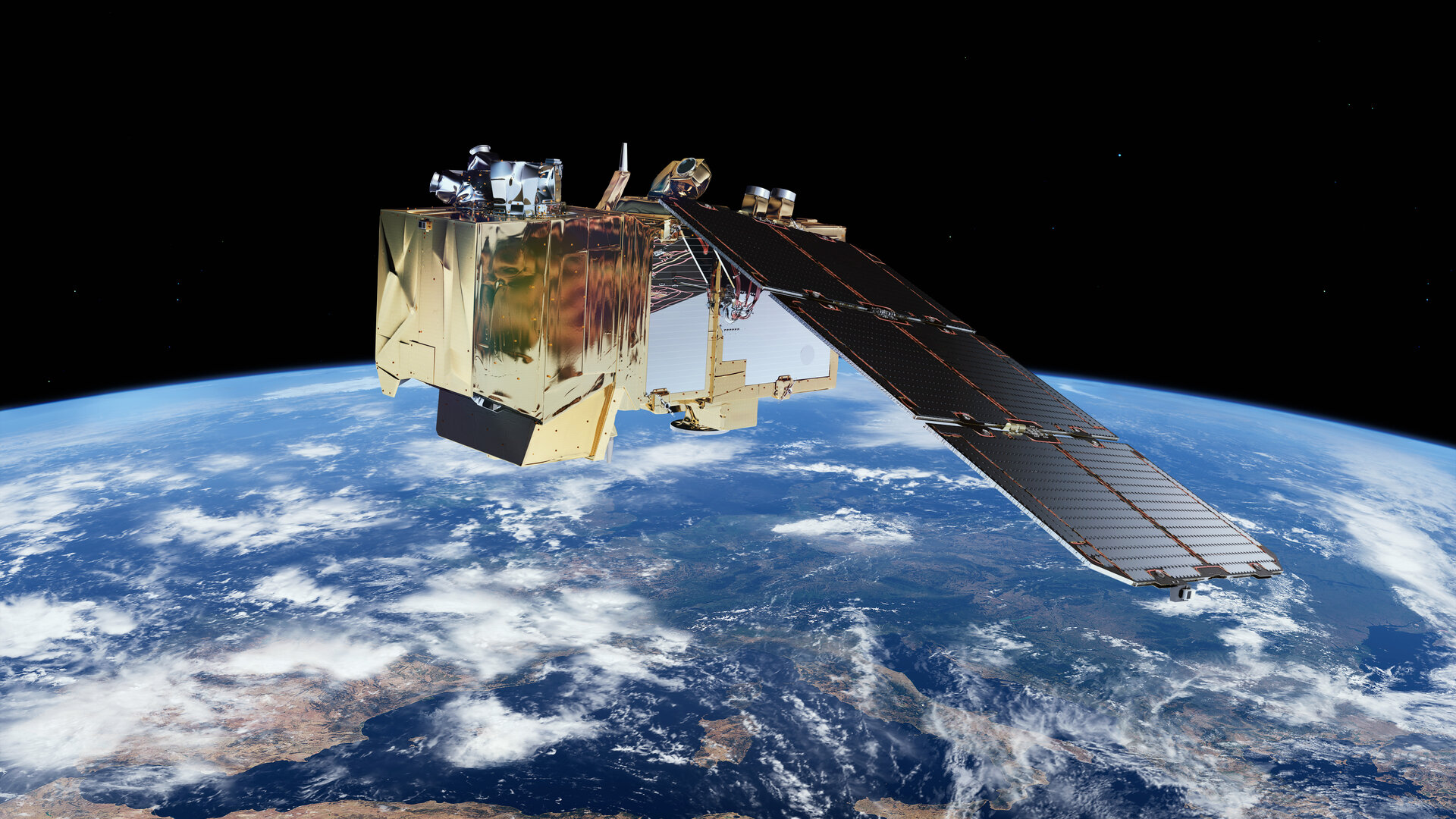
Next generation EO datasets, such as ESA Sentinel-2 (S2) or PlanetScope, that provide data time series at fine spatial (3-10m) and temporal resolution (1-5 days), need to be evaluated for the design of next generation drought indices. While these data sources are not yet ideal for immediate operational use due to their relatively short series (thus limiting the possibility of constructing a long-term climatology against which to evaluate anomalies), their assessment is important to inform decisions about their future adoption, given that these series will reliably be delivered for many years to come.
There is still a limited harmonization between different (complementary) drought risk management and financing initiatives in the country, and this can limit their cost-effectiveness. A stronger data and methods integration would represent a first important step in this direction.
More
Fuller information on project aims and activities
Download a short presentation of the project
Contact: Francesco Pietro Fava at Università degli Studi di Milano (francesco.fava@unimi.it)